
Skip to content
HN Pool ConstructionJacksonville, FL

Homeowner guide

The Complete Guide to Building a Pool in Jacksonville

Everything a Jacksonville homeowner needs to plan a pool project, from budget and shape to permits, timeline, and hiring the right builder.

Mon-Fri 8am-9pm, Sat-Sun closed. We answer the phone.

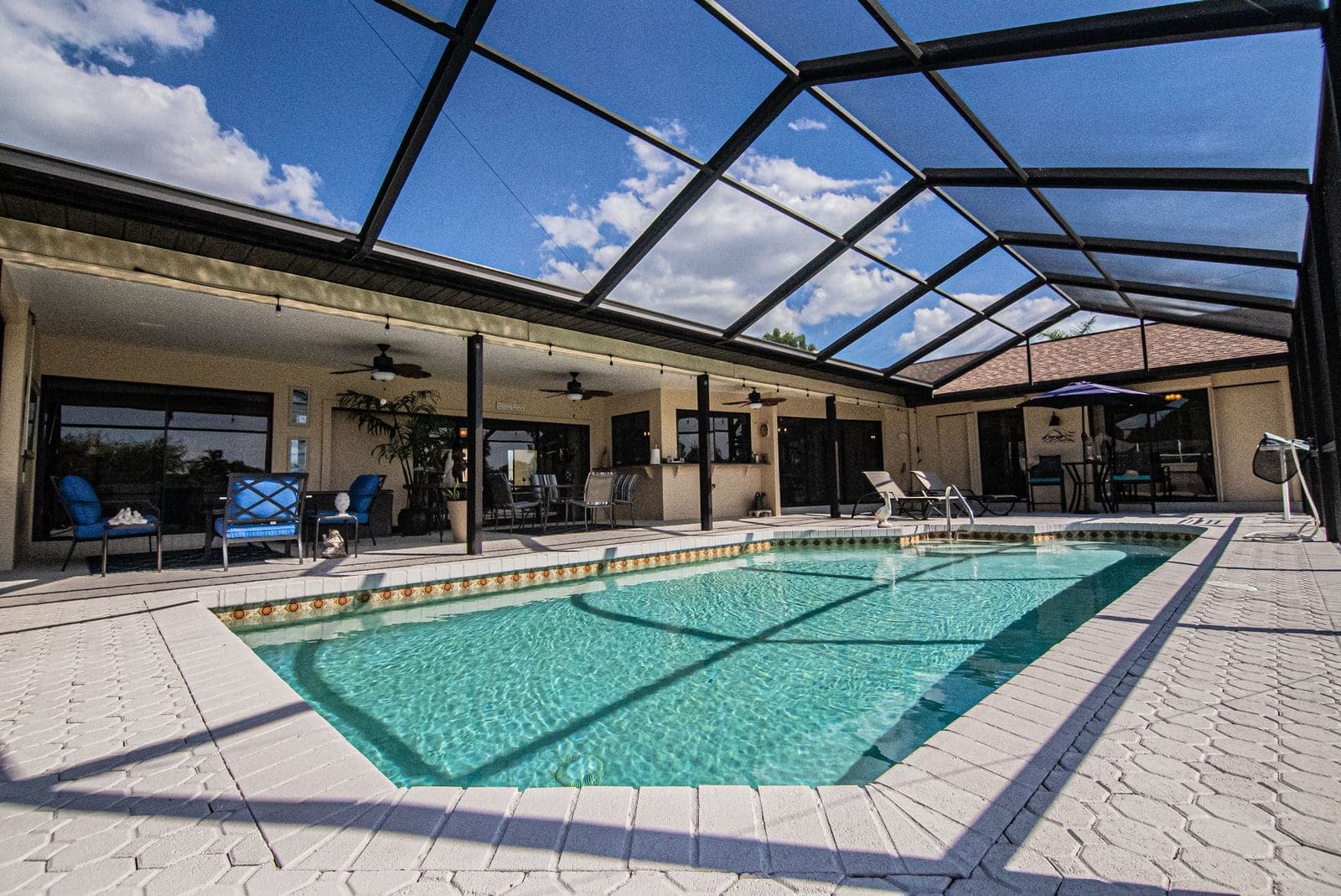
In-ground pool with a paver deck beneath a screen enclosure
  • Licensed, insured builders

    Your pool is built by a licensed Florida pool builder you can look up

  • Fixed line-item pricing

    A fixed price for the scope you approve, priced line by line

  • 3D design first

    See the pool before a shovel touches the yard

  • Free on-site estimates

    No obligation

  • One point of contact

    The same person handles your design, your quote, and your questions

Building a pool in Jacksonville means choosing between gunite and fiberglass, sizing the pool to your lot and setbacks, securing HOA approval where it applies, and pulling permits through the city or county with jurisdiction over your address. A gunite pool typically runs $65,000 to $180,000 or more depending on features, takes 10 to 16 weeks to build once permitted, and moves through a set inspection sequence from steel and bonding to a final safety inspection. This guide walks through each decision in order, and points to our dedicated cost guides for detailed pricing.

How do you set a budget for a Jacksonville pool project?

Start with what you want to do in the pool, not a dollar figure. A lap pool for exercise, a family pool with a shallow shelf for kids, and an entertaining pool with a spa and lighting point to different sizes, shapes, and equipment, and that decision drives the budget more than any single upgrade.

Core cost drivers are pool type, size and depth, finish, whether you add a spa or tanning ledge, deck material, whether you enclose it, and site conditions like tree removal or dewatering. Permit and impact fees vary by jurisdiction and are quoted once plans are set. Our pool cost, screen enclosure cost, and pool remodel cost guides break down current 2026 price ranges for each piece.

Gunite or fiberglass: which pool type is right for your lot?

Gunite, a sprayed concrete shell, can be built in any shape or depth and takes a tanning ledge, spa, or custom steps in stride, which is why it is the more common choice for a fully custom design. It takes longer, generally 10 to 16 weeks once permitted, and the finish needs resurfacing on a cycle of roughly 7 to 25 years depending on the material.

Fiberglass arrives as a factory-built one-piece shell and installs much faster, often 4 to 8 weeks once permitted, with a gel-coat surface that needs less chemical upkeep. The tradeoff is a limited catalog of shapes, since the shell has to fit on a truck, and site access matters more for a fiberglass install.

We do not build vinyl liner pools. The liner needs replacement roughly every 8 to 12 years and is more vulnerable to sun and pH damage, and most Jacksonville-area HOAs and buyers expect concrete or fiberglass construction.

How do you size and shape a pool for a typical Jacksonville lot?

Lot type shapes the pool more than personal preference alone. Beach lots in Jacksonville Beach, Atlantic Beach, and Neptune Beach tend to be narrow, which pushes toward a rectangular or galley-style pool close to the property lines within setback limits. Nocatee and similar planned-community lots are typically mid-sized with defined rear setbacks, which fits well-proportioned freeform or rectangular pools with a tanning ledge.

Larger acreage lots in Mandarin and parts of unincorporated St. Johns and Clay counties give more room, opening up larger custom shapes and more generous decking, but those lots more often carry tree canopy, septic drainfields, or well setbacks that narrow the buildable area.

What site conditions affect a Jacksonville pool build?

Much of the Jacksonville area sits on sandy soil with a high seasonal water table, and lots near the river, marsh, or beaches can hit groundwater within the first few feet of digging. That usually means dewatering during excavation, and a gunite shell gets a hydrostatic relief valve so rising groundwater can enter an empty pool rather than lift it. A fiberglass shell needs careful bedding and backfill since it can float if drained while the water table is high.

Trees, utilities, septic systems, and easements all narrow where a pool can go. Jacksonville and Atlantic Beach have tree protection ordinances, so removing a protected tree can require mitigation. Every dig starts with a call to 811, JEA serves most of Duval and parts of St. Johns and Clay, and septic drainfield setbacks matter on rural lots in Middleburg, parts of Mandarin, and rural St. Johns County.

Does your HOA need to approve your pool?

In most planned communities in this market, yes. Nocatee, Julington Creek Plantation, Durbin Crossing, Eagle Harbor, Fleming Island Plantation, gated Ponte Vedra communities, and Amelia Island Plantation all commonly require architectural review before a pool permit is filed, typically covering setbacks, lot coverage, fence and enclosure color, and the drainage plan.

We prepare the site plan and elevations needed for an ARC submission and file it alongside the building permit so the two run in parallel, which is often the biggest schedule variable in an otherwise predictable project.

What permits does a pool need and who issues them?

Every in-ground pool needs a building permit, plus an electrical sub-permit for bonding and equipment, and often plumbing and gas sub-permits when a heater is involved. Which office issues those permits depends on your address. The City of Jacksonville Building Inspection Division covers Duval outside the beach cities, while Jacksonville Beach, Atlantic Beach, and Neptune Beach run their own departments. St. Johns County Building Services covers Ponte Vedra Beach, Nocatee, St. Johns, and Julington Creek, with St. Augustine running its own department plus Historic Architectural Review Board review in the historic districts. Clay County Building Division covers Fleming Island, Middleburg, and unincorporated Orange Park, while the Town of Orange Park issues its own permits. Nassau County Building Department covers unincorporated Amelia Island and Yulee, and Fernandina Beach permits inside city limits with Historic District Council review downtown.

The typical inspection sequence runs pre-gunite steel and bonding, a deck bond inspection and plumbing pressure test, electrical rough and final inspections, a barrier or safety final, and a final inspection before the pool can be filled and used. A screen enclosure is a separate permit and inspection process. Your builder pulls the permits for your address and manages the inspection schedule as part of the project.

What are your options for meeting the pool safety act?

Chapter 515 of the Florida Statutes requires every new residential pool to have at least one approved safety feature before final approval: a barrier at least 4 feet high with self-closing, self-latching gates that open outward, an approved pool cover, exit alarms on every door and window opening to the pool area, self-closing devices on those doors, or a pool alarm meeting ASTM F2208.

A screen enclosure with compliant self-closing, self-latching doors satisfies this requirement for most of our clients, since it is already part of the project. We walk through which option fits your layout and family situation during design.

What equipment choices matter most?

A federal rule effective 2021 requires most dedicated-purpose in-ground pool pumps to be variable-speed, lowering energy use and noise versus the single-speed pumps once standard, so this is not really optional for a new build. Filter choice is mainly cartridge versus sand versus diatomaceous earth, with cartridge the most common for ease of maintenance.

A salt chlorine generator produces chlorine from dissolved salt rather than stored tablets or liquid, and is the most requested sanitation system on new pools we quote. Automation runs the pump, heater, and lights from a phone or panel, and LED lighting is now standard for both color options and lower running cost. A gas or heat pump heater extends the swim season and is typically its own line item.

How do decks and enclosures fit into the project?

The deck and screen enclosure, if you choose one, are usually designed and permitted together with the pool rather than added later, since the enclosure anchors into the deck and both affect final elevation and drainage. Travertine, concrete pavers, and brushed or stamped concrete are the common deck choices, each with different cost and heat tradeoffs covered on our pool decks page. A screen enclosure is engineered to the wind speed at your address, with roof style, mesh, and door placement chosen during design, covered in full on our screen enclosures page.

What does a typical gunite pool timeline look like week by week?

Design and a fixed quote typically take two to three weeks after the free on-site estimate. Permitting and any HOA review generally run three to eight weeks depending on jurisdiction. Once permitted, excavation and steel usually take about a week, followed by the pre-gunite steel and bonding inspection, then gunite shooting.

The shell then cures for roughly one to two weeks before plumbing, decking, and tile work begin, with the deck bond inspection and pressure test happening before the deck is poured. Electrical rough-in and equipment setting run alongside deck work. Interior finish application happens near the end, followed by fill, startup, and the final and safety-barrier inspections. Total construction for a gunite pool with a deck and enclosure typically runs 10 to 16 weeks, not counting permitting.

How do you vet a pool builder in Florida?

Florida Statutes Chapter 489 requires pool construction to be performed by a licensed Certified Pool/Spa Contractor or Registered Pool/Spa Contractor. You can verify any Florida contractor's license status directly on the DBPR website through the myfloridalicense license search, which shows whether the license is active, what it covers, and whether any disciplinary history is on file.

Beyond the license, ask for proof of insurance, a written line-item contract that breaks out the shell, equipment, deck, and any enclosure as separate costs, and confirm the contract includes the Chapter 713 construction lien law notice that Florida requires in writing. Be cautious of any builder asking for a large upfront deposit before work begins. A written, fixed, line-item quote with a clear change-order process protects you far more than a verbal estimate or a lump-sum number with no breakdown.

What mistakes should you avoid when building a pool here?

The most common mistake is signing a contract before the site conditions are checked, since a high water table, a protected tree, or a septic setback found mid-construction causes delays and change orders that a proper site visit would have caught up front. Skipping HOA review before applying for a permit is a close second, since a rejected ARC submission can send you back to the drawing board after the county permit is already filed.

Undersizing the equipment pad and skimping on bonding and electrical rough-in to save money early tends to cost more later, since retrofitting those systems after the deck is poured is far more disruptive than doing it right the first time. And choosing a finish or deck material based on the sample chip alone, without seeing it installed in full sun, is a common source of buyer's remorse we hear about on remodel calls.

What does first-year pool care look like?

A new plaster finish needs a specific startup and chemical balance protocol in the first few weeks to cure properly and avoid premature staining or etching, and we walk you through that at the final walkthrough. After that, routine water testing, filter cleaning, and keeping pH and calcium hardness in range protect the finish and equipment and directly affect how many years you get before resurfacing is needed.

Jacksonville's humidity, oak pollen, and love bug seasons mean the pump and filter work harder here than in a drier climate, so a first-year service routine that accounts for those seasonal loads keeps the equipment running efficiently and the water clear without constant manual intervention.

FAQ

Questions homeowners ask us

Free estimate

Book your free on-site estimate

Pick a day that works. We confirm the time, walk the yard with you, and follow up with a 3D design and a fixed line-item quote.

  • Licensed, insured builders. Your pool is built by a licensed Florida pool builder you can look up.
  • Fixed line-item pricing. A fixed price for the scope you approve, priced line by line.
  • 3D design first. See the pool before a shovel touches the yard.
  • Free on-site estimates. No obligation.
  • One point of contact. The same person handles your design, your quote, and your questions.
CallGet Quote